Photo: Ed Wingate / Unsplash
History of the Cow
Cattle have been part of human civilisation for thousands of years.
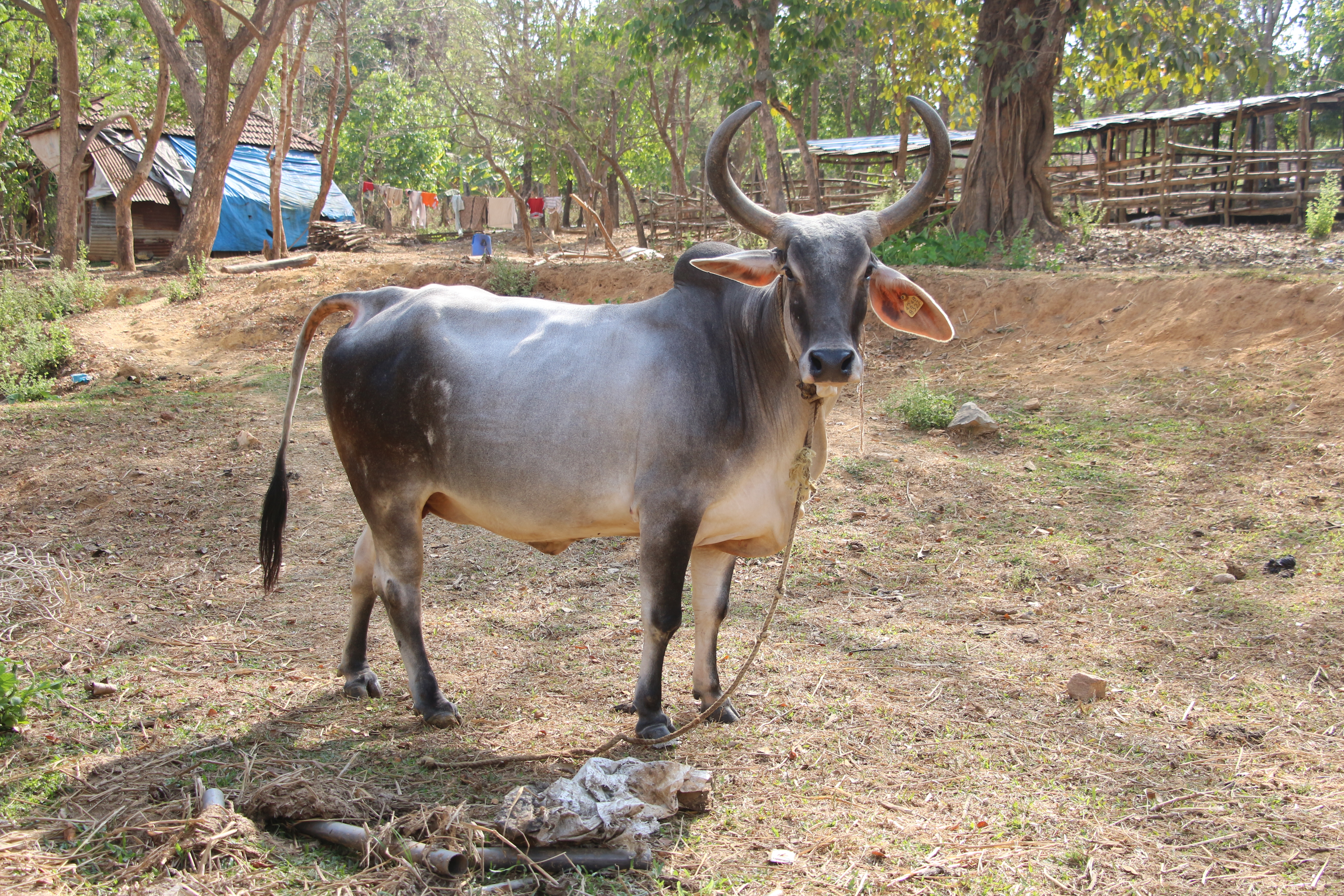
Cattle were first domesticated around 10,000 years ago in the regions of the Middle East and the Indian subcontinent. In India, the cow has been central to agriculture, diet, and culture since the Vedic period. Indigenous breeds such as Gir, Sahiwal, and Ongole have been raised for milk, draft power, and dung, forming the backbone of rural life.
Today, India is home to some of the world’s most diverse and resilient native cattle breeds. Preserving and promoting these breeds supports farmers, sustains local ecosystems, and keeps traditional knowledge alive.
Importance of the Cow
The cow holds a unique place in Indian culture and economy.
In India, the cow is revered in tradition and religion, and remains essential to farming. It provides milk for nutrition, dung for fuel and manure, and labour for ploughing and transport. For millions of rural households, the cow is both a livelihood asset and a symbol of prosperity and care.
Supporting native breeds helps maintain genetic diversity, adapts to local climates and fodder, and reduces dependence on external inputs. Recognising the importance of the cow is key to sustainable agriculture and rural development.
Benefits of the Cow
From milk to manure, the cow offers multiple benefits to society.
Milk and dairy products provide high-quality protein, calcium, and other nutrients. Cow dung is used as organic manure, biogas, and traditional fuel. In many regions, cattle still provide draft power for tilling and transport, especially where mechanisation is limited.
By choosing native breeds and ethical rearing practices, we support animal welfare, soil health, and local economies. Gosampada helps you discover breeds, connect with the marketplace, and learn about care—so the benefits of the cow continue for generations.
Indian Cow Breeds
Discover native breeds, buy or sell cattle, and learn about care.